Slab Foundation Repair in Greenville, NC
Slab-on-grade homes in Greenville, NC rest on concrete poured right on the soil, with no crawl space underneath. Here we cover the signs a slab may have shifted, what can move one in Pitt County, and the methods a local foundation specialist may bring up after seeing the house.
Not sure if we cover your area? Check now ↓
Request a Foundation Estimate
Four fields. One local foundation specialist takes it from there.
We send your request to one independent local foundation contractor. We don't perform, inspect, price or guarantee any work (Referral Marketing Disclosure).
Signs Your Slab Has Moved
Greenville, NC has both crawl-space homes and slab homes. Census survey data puts the 2000s as the city's biggest building decade, with the 1990s next, and many newer homes from those years sit on slabs, as do plenty of garages. These signs are worth a look, not proof of anything:
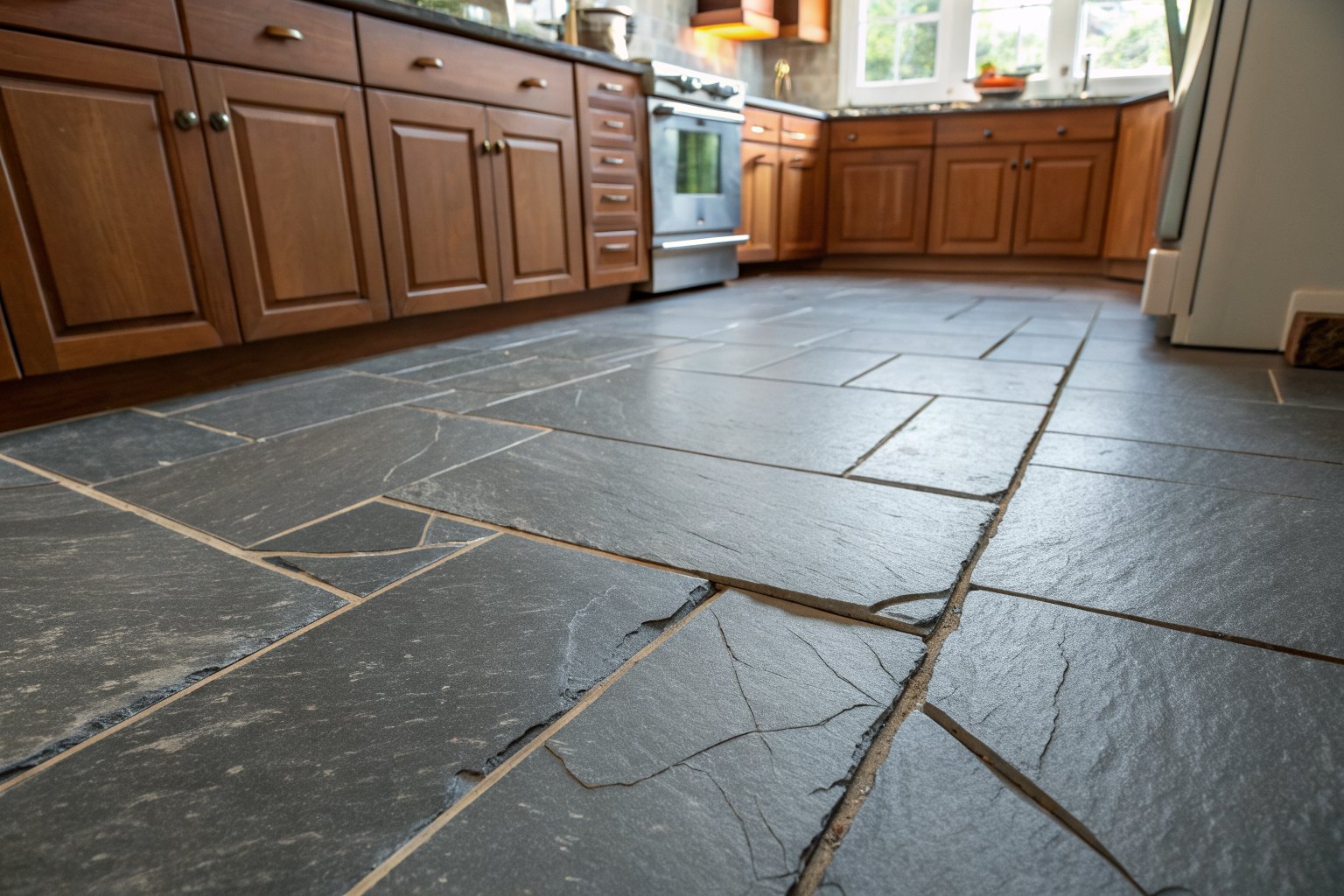
- Cracks in the slab or floor tile. A crack running across several tiles, or one with one side higher, may trace movement below.
- Gaps at baseboards. Space opening between the floor and the trim along one wall can mean that edge has settled.
- Doors out of square. Inside doors that drag, drift open or stop latching may follow a shift in the floor.
- A garage floor pulling away. A garage slab separating from the house or tipping toward the door is worth mentioning too.
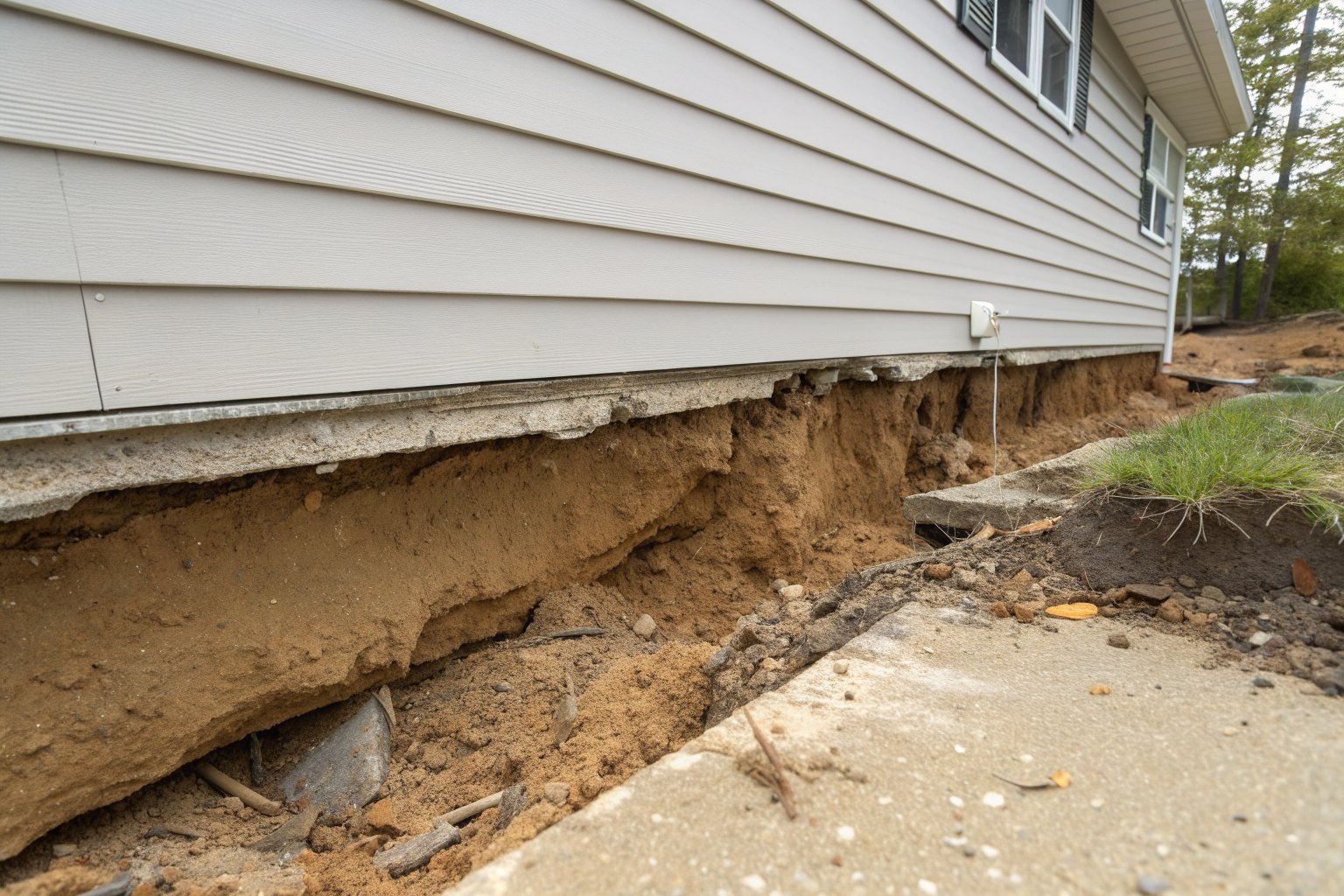
What can move a slab here is mostly water at its outer edge, where ground can stay wet through winter and spring. In Goldsboro soils, NRCS records a seasonal high water table 18 to 30 inches below the surface between December and April; the poorly drained Rains series holds water within a foot of the top over the same months. Both rate low for shrink-swell. When soil that wet drains, it can settle unevenly.
A leaking pipe under the slab soaks the soil too; if your water bill jumps for no reason you can find, a licensed plumber can run a leak test. Downspouts and yards that slope toward the house add more.
What Gets Done During Slab Foundation Repair
The specialist chooses after an inspection, if anything is chosen at all.
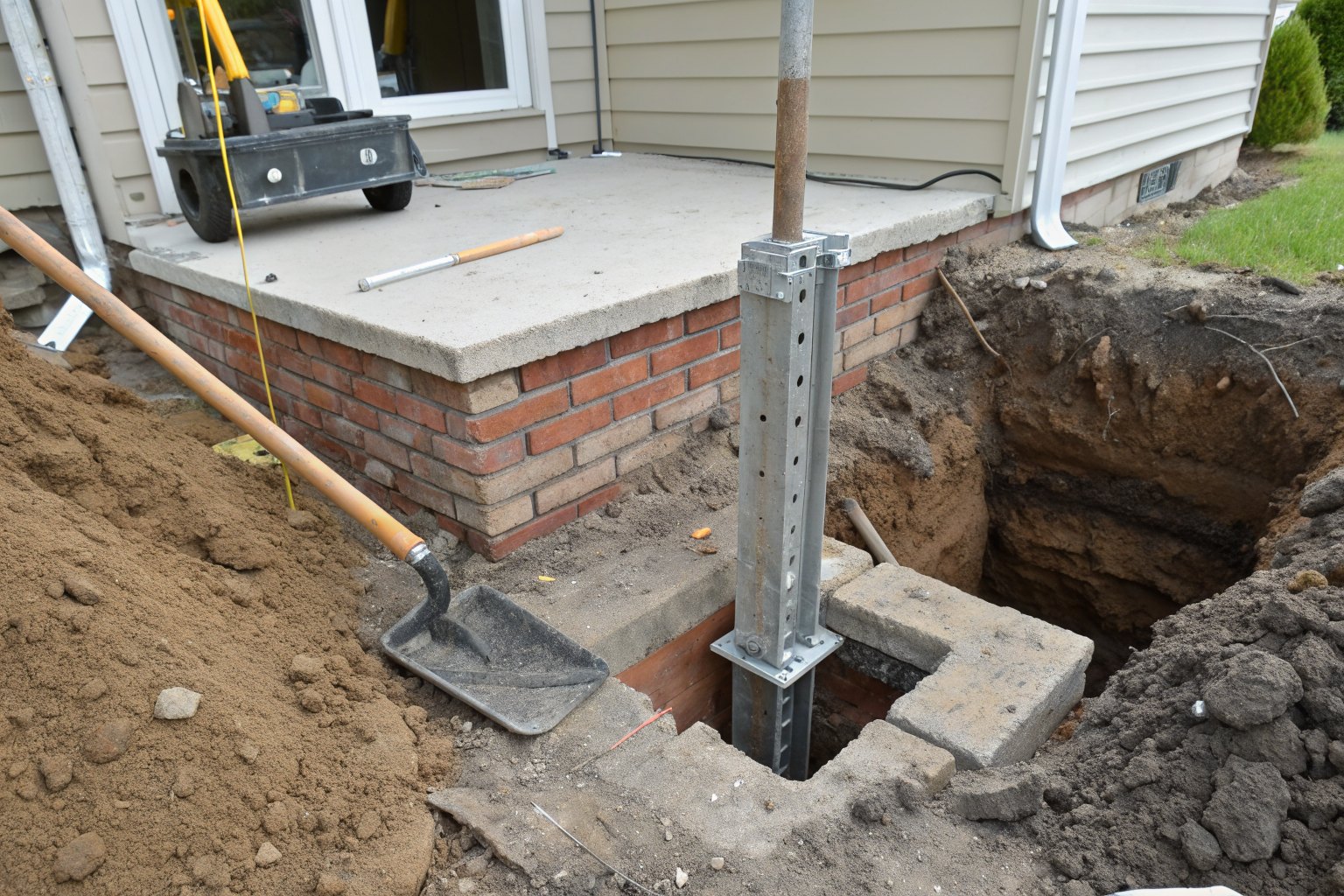
- Piers at the edge. Steel or concrete piers go down beside the settled edge and the slab is brought up onto them; helical piers suit some ground.
- Slab lifting. Grout or a similar fill pumped through small holes can raise a settled section of floor or garage slab.
- Crack sealing. Filling cracks keeps water and pests out, though it does nothing about movement underneath.
- Water steered off. Downspout extensions and regrading help rain run away from the slab edge.
Budget Figures for Slab Foundation Repair
These three rows are national figures from home-cost sites. None is a number specific to Greenville, NC, our price, a quote or a bid; plan around the specialist's written estimate instead.
| Cost row | Figure | Source (year) |
|---|---|---|
| Piers, per pier | about $1,000 to $3,000 | This Old House (2026) |
| Slab lifting (mudjacking) | about $550 to $1,300 | This Old House (2026) |
| Crack repair, per crack | about $250 to $800 | This Old House (2026) |
Pier count matters most; plumbing, drainage, the permit and any engineer's report change the total too. For a rough range, open the cost calculator; every row is explained in the foundation repair cost guide.
Steps in a Typical Slab Foundation Repair Job
- The request. You send the address and a note on what you've seen; we forward it to a local foundation specialist, who gets back to you about a possible visit.
- The floor survey. The specialist reads the floor with a level or laser, marks high and low spots, and checks the slab edge, downspouts and grade.
- The leak question. If a leak may play a part, a licensed plumber tests the lines; ask who arranges that and who fixes anything found.
- The written estimate. It should list the method, the number, type and placement of piers, any lifting or sealing, warranty terms and the price, and say whether an engineer's report is included.
- The permit. Slab repair is load-bearing work, so a building permit is pulled before anything starts, however small the job.
- The work. The repair crew sets piers or pumps fill, raises the slab a little at a time, patches the holes and measures again, on the written schedule.
What Slab Foundation Repair Protects
Slab repair aims to give the concrete even support again. It can help floor tile stay whole, trim stay snug to the floor and doors close as they should. Paired with better drainage, it is meant to stop rain pooling at the slab edge, so the soil there stays steadier.
Common Questions About Slab Foundation Repair
Who handles the permit for slab work in Greenville, NC?
Usually the contractor, but ask who will. Within Greenville, NC city limits, building permits come from the City's Inspections Division (252-329-4466), whose permit page names load-bearing repairs as permit work. Homes beyond city and town limits in Pitt County normally apply to the County, so confirm for your address, and in that case ask the specialist whether it is registered with the County.
Can a slab be lifted without piers?
Sometimes. Lifting raises a settled section but adds no support beneath the soil, so where the ground may keep moving the specialist could suggest piers or drainage work instead, or as well.
Could a plumbing leak be involved?
It can be. Water from a leaking line softens the soil in one spot. A licensed plumber can test for it, and any plumbing repair is that plumber's job, not something we offer.
How do I check who does the work?
For projects of $40,000 or more, North Carolina requires a general contractor license; at that size, request the number, then look the specialist up on the NC Licensing Board for General Contractors' records. On a job of any size, insist on a written contract with the scope and price.
Other Foundation Work to Consider
For more reading, foundation repair compares methods, foundation crack repair explains crack patterns, house leveling covers uneven rooms and crawl space and pier and beam repair deals with raised floors, and the foundation warning signs quiz can help you weigh what you've noticed.
Have Your Slab Looked At
Send an estimate request with a few words about the cracks, gaps or doors you've noticed. A local foundation specialist receives it from us, arranges any visit, checks the slab and writes any estimate. The specialist may find nothing beyond what's worth watching, and what happens next is up to you.